What a Volatility Halt Does to an Opening Range
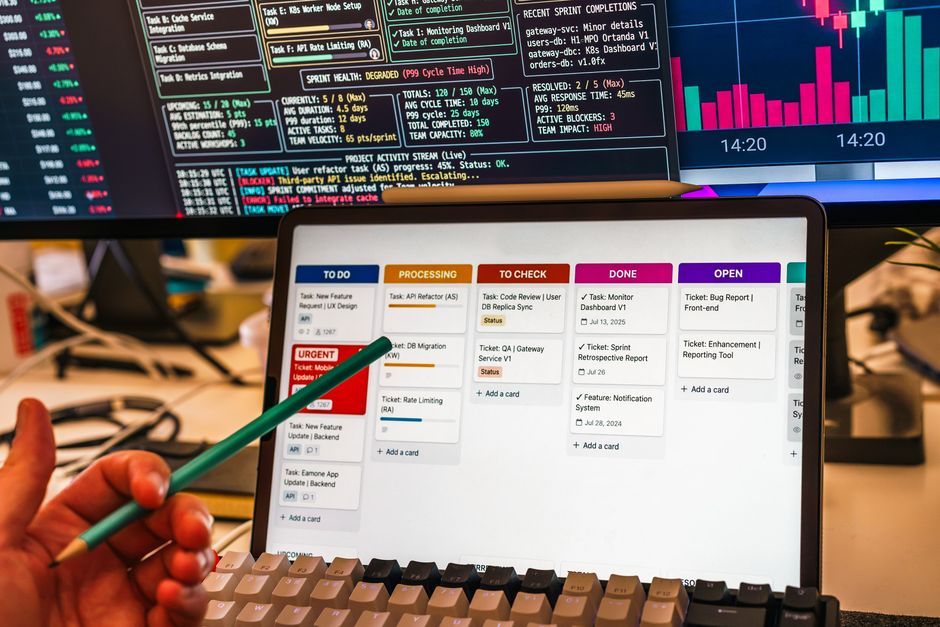
Nothing about a halt is announced in advance, which is the problem. Price simply stops printing, the book empties, and a position that was working becomes a position nobody can act on. The running record orb trading stocks bizstone holds shows the same sequence each time on a single name that trips its band, so a trader working the opening range on equities should know what the pause does to the level, to resting orders, and to the reopening print before it happens rather than during it.
How the Band Is Set
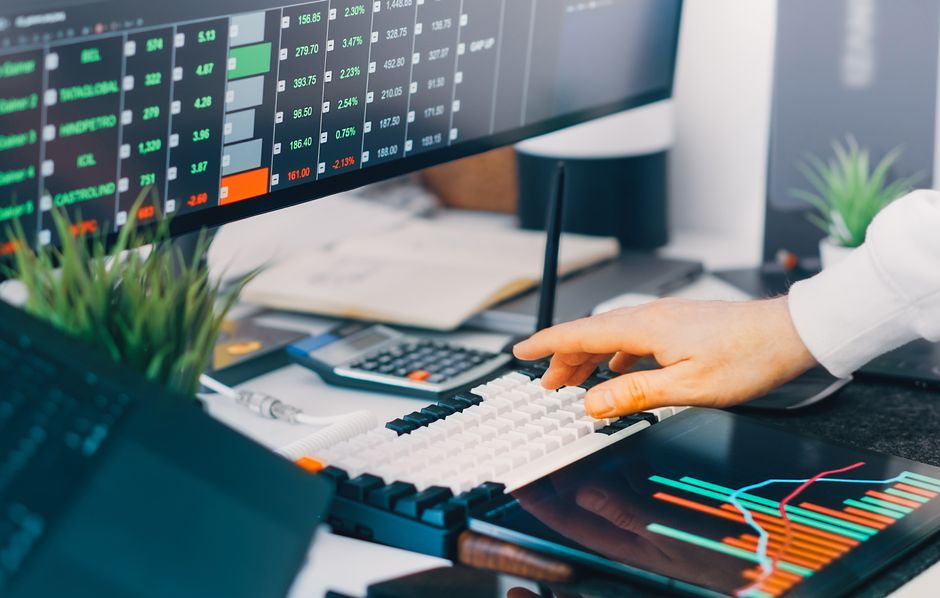
Limit up limit down bands are calculated from a rolling reference price, and they are widest in the first fifteen minutes and last minutes of regular trading hours. A name moving fast enough to reach the edge of its band trades in a limit state first. If it cannot come back inside within a short window, it halts. The band is a percentage of the reference, so the same dollar move halts a low priced share and does nothing to a high priced one.
The Range You Drew May No Longer Describe Anything

An opening range summarises a stretch of continuous two sided trading. A halt interrupts exactly that. If the pause lands inside the measuring window, the five minute range or fifteen minute range you end up with is part price discovery and part administrative gap, and the high or low may be a single limit print rather than a level anyone defended. Redrawing the range from the reopening is usually more honest than keeping a boundary that was set by a mechanism.
Resting Orders During the Pause
A stop loss does not protect anything while the tape is stopped. Stops rest at the broker or the exchange and can only act on prints, and there are none. When trading resumes the first print can be far away from the stop level, so the order becomes a market order into whatever the reopening produced. That is the real exposure in a halt, and it is why position size on a name with halt history should be set as though the stop is a wish rather than a guarantee.
The Reopening Auction
Trading resumes through an auction, with an indicative price published as orders build. Watching that indication is more useful than watching the chart, because it is the only live information available. It moves a great deal in the final seconds and should not be treated as a settled price until the auction actually clears.
After the Reopen
Spreads stay wide, relative volume is distorted, and the first few minutes behave more like a second market open than a continuation. Waiting one full bar before acting costs very little and removes the worst fills. A name that has halted once in the session will often halt again, so any re-entry should assume a further pause is likely rather than exceptional.