The Morning After an Earnings Release
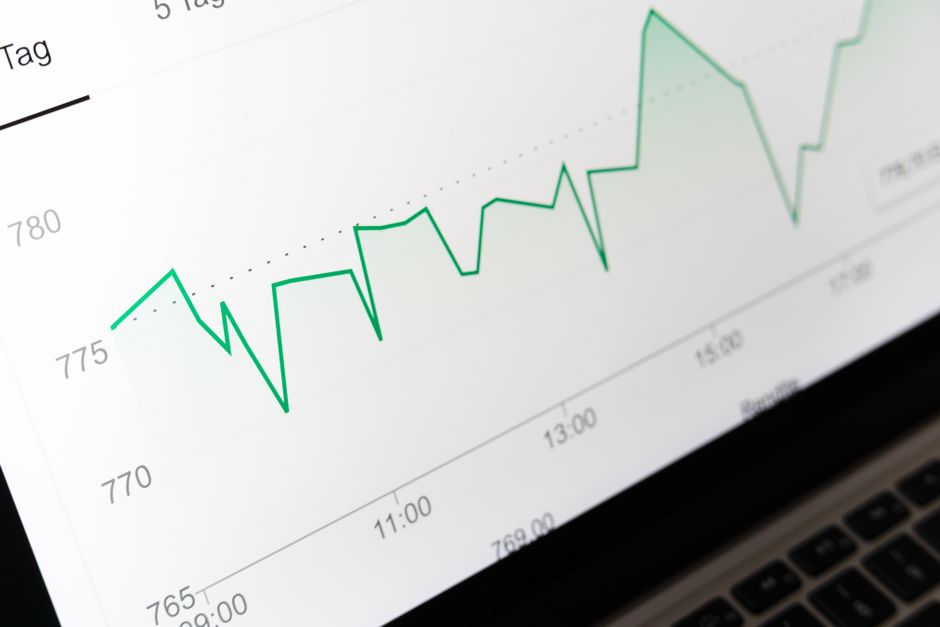
Pull up the daily chart before the premarket session and measure how far the share has moved from the previous day close, in dollars, not in percent. That number sets everything else about the morning. The breakdown sitting on orb trading stocks bizstone lists them in order, because trading the first hour after a report means working with an instrument that has been repriced overnight, and the opening range it produces is a wider, faster object than the one the same equities printed a week earlier.
The Instrument Changed, the Rules Did Not

A company that reported last night is the same ticker and a different trade. The distribution of outcomes has collapsed from a broad guess to a settled fact, and the market spends the first hour agreeing on the price. Nothing about the mechanics of an opening range breakout stops working, but every parameter derived from ordinary sessions is now the wrong size. Range width, stop distance and average true range all need to be measured on the session in front of you.
Range Width Against a Normal Day

The most useful single measurement is the ratio of the current five minute range to the same name's typical five minute range. Two times normal is common. Four times normal happens. A stop placed at the opposite side of the range on a four times session is four times the usual dollar risk, and holding the share size constant on that morning is how a single trade takes a week of results with it.
Size From the Stop, Never From Habit
Position sizing on a post earnings session has to be recalculated from the actual stop distance rather than carried over. If the normal size is six hundred shares on a one point stop, a three point stop means two hundred shares. That arithmetic takes ten seconds and it is the difference between a wide session being an opportunity and being the worst day of the quarter.
Volume Is Real, Which Helps
The one thing working in your favour is participation. Relative volume on a post report morning is genuinely high, spreads are tighter than the price movement suggests, and level two shows real depth rather than a few placeholder orders. Fills are better than on an ordinary session for the same name, which partly offsets the wider stop.
The Second and Third Sessions
Elevated ranges decay over the following days rather than snapping back. The session after the report is usually still wide, and the one after that is closer to normal without being normal. Any filter that reads range width as a signal will keep flagging the name for the rest of the week, so the calendar matters as much as the chart. Marking report dates on the watchlist in advance stops the same surprise arriving twice.