Rebalance Days and the Volume That Is Not Yours

By the time the opening bell rings on a reconstitution day, the mechanical reality of the tape has already shifted. A massive influx of non directional volume flows through the order book, as the notes at orb trading stocks bizstone explain. This surge in volume during the first hour often creates a false signal for anyone relying on a standard opening range breakout. The sheer scale of index rebalancing means the volume being processed does not represent actual directional conviction from market participants.
The mechanics of index reconstitution
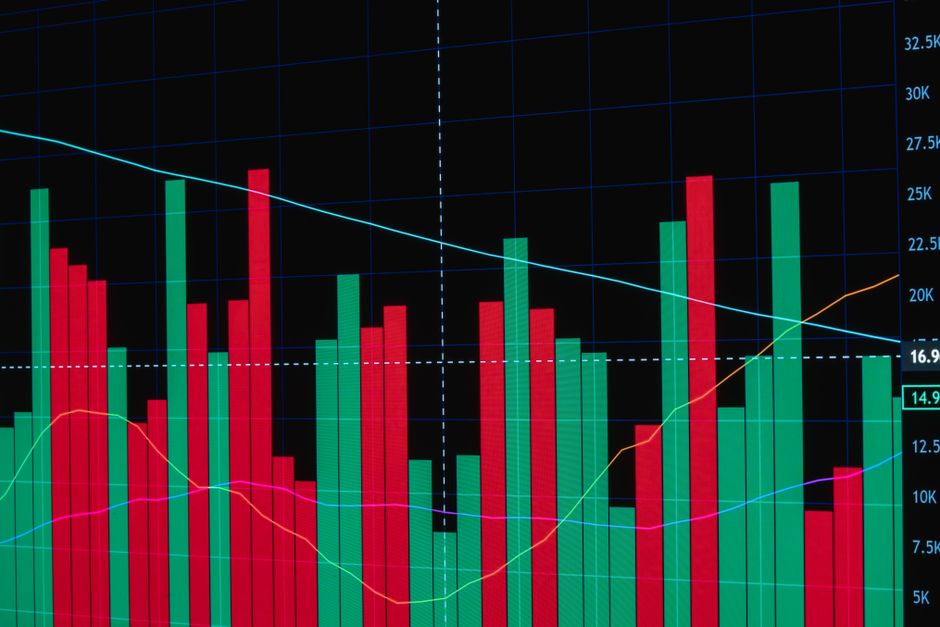
Index reconstitution forces institutional fund managers to buy or sell specific names to match new weightings. This happens regardless of price action or fundamental value. When a stock is added to a major index, the volume levels during the morning session swell to unprecedented heights. This is not organic interest. This is the mechanical execution of large orders. A trader looking at the 5 minute chart might see a massive volume spike and assume a trend is forming. In reality, the volume is simply the byproduct of a mandate being fulfilled.
Why volume filters fail on rebalance days
Standard intraday strategies often rely on volume to confirm a move. A breakout with high volume is typically viewed as a valid signal. However, on rebalance days, the volume is disconnected from price direction. Huge blocks of shares move through the ticker, but the price may stay pinned within a tight range or move erratically without follow through. The volume profile becomes skewed. A high volume node might appear at the market open, but it carries no predictive weight for the rest of the session. The data is noisy and lacks the structural integrity found on normal trading days.
The trap of the opening range
A common error involves applying a standard opening range breakout strategy during these periods. If the price clears the fifteen minute range on massive volume, the instinct is to follow. On a reconstitution day, that breakout is often a liquidity trap. The volume provides the illusion of strength, but the non directional nature of the index orders creates a vacuum. Price often reverts to the mean quickly because the volume was not driven by a shift in sentiment, but by a scheduled requirement. The session high might be reached purely through mechanical buying that disappears by the lunch hour.
Filtering the noise
To avoid these traps, one must look at the context of the volume. If the volume is significantly higher than the rolling average for that specific time frame, the signal is likely compromised. The 30 minute range becomes less meaningful when the tape is dominated by index rebalancing. Instead of looking for breakouts, one should observe how the price reacts to the liquidity. True directional moves require volume that is not tied to a scheduled index event. Without that distinction, the data provides a false sense of momentum.